When memory loss, confusion, or personality changes begin to appear, families often feel scared and unsure about the next step. Dementia can feel overwhelming, but the good news is that the right medical team can make a huge difference. Understanding doctors who specialize in dementia helps families move forward with clarity, confidence, and hope.
At Valley Spring Memory Care, we believe knowledge is power. Knowing who diagnoses dementia, what specialists are involved, and what is the best doctor for dementia allows families to advocate for their loved ones and access the right care sooner. Let’s break it all down in a simple, friendly way.
What Doctors That Specialize in Dementia Treat
When someone begins showing signs of dementia, multiple healthcare professionals may be involved in their care. Doctors who specialize in dementia do much more than just diagnose memory loss. They assess thinking skills, behavior changes, emotional health, mobility, and overall quality of life.
Typically, primary care doctors start the conversation by noticing early symptoms and ordering initial tests. From there, specialists step in to confirm diagnoses, manage treatment, and support families emotionally and medically.
These doctors who specialize in dementia and Alzheimer’s often work as a team, ensuring no part of care is overlooked. Memory centers like Valley Spring Memory Care bring these professionals together to deliver complete, compassionate care under one roof.
Types of Doctors Involved in Dementia Care
Understanding the care team helps families feel less lost during an already difficult time. Each specialist plays a specific role in diagnosis, treatment, and ongoing support.
Primary Care Doctors – The First Step
Primary care physicians are often the ones who diagnose dementia by recognizing early warning signs such as memory lapses or confusion. They perform basic cognitive screenings and refer patients to specialists for further evaluation.
Neurologists – The Brain Experts
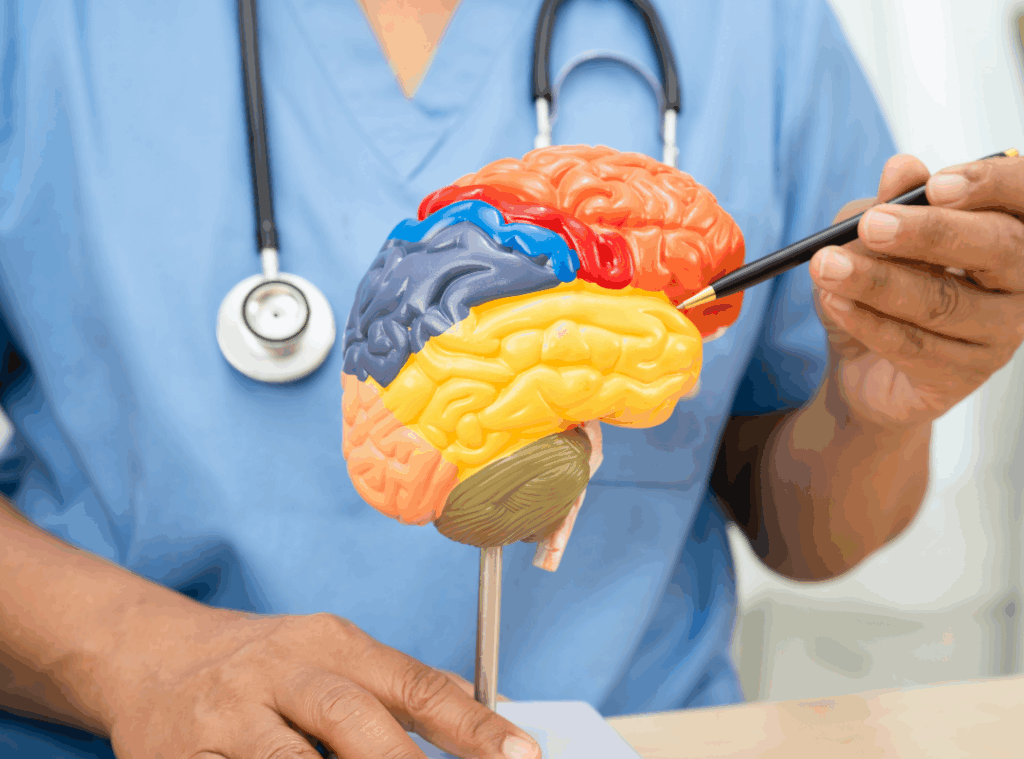
A neurologist, a dementia specialist, focuses on the brain and nervous system. Neurologists use advanced testing like MRIs, CT scans, and cognitive exams to identify the type of dementia and rule out other neurological conditions. When families ask what the best doctor for dementia is, neurologists are often part of the answer.
Geriatricians – Experts in Aging
Geriatricians specialize in older adults and manage complex health conditions that often accompany dementia. They focus on medication safety, fall prevention, nutrition, and mobility, ensuring patients remain as healthy and comfortable as possible.
Psychiatrists and Psychologists – Emotional Support
Mental health professionals help manage anxiety, depression, agitation, and mood changes commonly associated with dementia. Their work improves emotional well-being for both patients and caregivers.

Role of Neurologists in Dementia Diagnosis and Treatment
A neurologist or dementia specialist plays a major role in confirming dementia and guiding treatment. These doctors perform detailed evaluations using tools like the Mini-Mental State Examination (MMSE) or Montreal Cognitive Assessment (MoCA).
Neurologists help families understand whether symptoms are caused by Alzheimer’s disease, vascular dementia, Lewy body dementia, or another condition. This clarity is essential because treatment options vary by diagnosis.
After diagnosis, neurologists prescribe medications that may slow cognitive decline and monitor disease progression. They often collaborate with memory care teams to connect families to resources that support daily living and social engagement.
For trusted medical guidance, families often turn to organizations like the Alzheimer’s Association or the National Institute on Aging for additional education and support.
Importance of Geriatricians in Managing Dementia Patients
Geriatricians bring a whole-person approach to dementia care. While neurologists focus on the brain, geriatricians look at how dementia affects the entire body and daily life.
Specialized Knowledge in Aging
Aging comes with unique challenges, and geriatricians are trained to recognize how dementia interacts with other health conditions. Their expertise ensures safer treatment plans and personalized care.
Comprehensive Medication Management
Medication errors can be dangerous for seniors. Geriatricians carefully review prescriptions, reduce unnecessary medications, and monitor side effects. This is especially important for families asking what is the best doctor for dementia when safety is a top concern.
Holistic Patient Care Approach
Geriatricians support patients and families through:
- Comprehensive physical and cognitive assessments
- Personalized treatment planning
- Caregiver education and advocacy
They often coordinate with memory care communities to ensure continuity of care, especially during transitions.
Contributions of Psychiatrists and Psychologists in Dementia Care
Emotional health matters just as much as physical health. Psychiatrists and psychologists provide essential support for patients experiencing fear, confusion, or behavioral changes.
Psychiatrists evaluate mood disorders and prescribe medications when needed. Psychologists offer therapy, coping strategies, and caregiver guidance. Together, they help families manage stress while improving quality of life.
Their involvement is critical when working with doctors who specialize in dementia and Alzheimer’s, as emotional well-being directly impacts cognitive function and daily engagement.
Understanding Memory Centers and Their Interdisciplinary Approach
Memory centers bring everything together. At Valley Spring Memory Care, interdisciplinary teams work collaboratively to deliver comprehensive care.
Benefits of Memory Centers
- Coordinated Care – All specialists communicate effectively
- Personalized Plans – Tailored to individual needs
- Family Support – Education, resources, and peace of mind
Memory centers reduce stress for families by simplifying care and ensuring patients receive consistent, expert attention.
The Collaborative Care Model for Effective Dementia Treatment
The collaborative care model ensures that no one faces dementia alone. Doctors, caregivers, therapists, and families work together to create adaptable care plans that evolve with the patient’s needs.
This approach improves outcomes, enhances safety, and strengthens emotional support systems. Research shared by Mayo Clinic and Cleveland Clinic highlights the benefits of team-based dementia care.
Your Loved One Deserves the Right Dementia Care Team
Choosing the right care team can feel overwhelming, but you don’t have to figure it out alone. From who diagnoses dementia to finding doctors who specialize in dementia, every step matters.
At Valley Spring Memory Care, we work closely with doctors who specialize in dementia and Alzheimer’s, ensuring your loved one receives expert care, compassion, and dignity every day.
Call Today to Get the Support Your Family Deserves
If you’re searching for answers, guidance, or trusted dementia care, let us help. Speak with our team, schedule a tour, and discover how Valley Spring Memory Care can support your family with expertise and heart.
📞 Call us today at 209-710-4783 or
👉 Schedule a Tour and take the next step with confidence.
Frequently Asked Questions About Dementia Care
What type of doctor is best for dementia patients?
The best doctor for a dementia patient depends on the stage and complexity of the condition. Neurologists are often involved because they specialize in brain and nervous system disorders. Geriatricians are also highly valuable, as they focus on the overall health needs of older adults. In some cases, psychiatrists may help manage mood, behavior, or anxiety-related symptoms. Many patients benefit most from a team-based approach rather than a single provider.
What is the life expectancy of a person with dementia?
Life expectancy for someone with dementia varies widely based on the type of dementia, age at diagnosis, and overall health. On average, people may live between four and eight years after diagnosis, though some live much longer. Conditions such as heart disease, infections, and mobility issues can affect longevity. Early diagnosis and proper care can improve quality of life, even if they do not significantly change life expectancy. Each person’s progression is unique.
Which doctors deal with dementia?
Several types of doctors are involved in diagnosing and managing dementia. Primary care physicians often recognize early symptoms and coordinate referrals. Neurologists and geriatricians commonly oversee diagnosis and ongoing treatment. Psychiatrists may help address behavioral changes or mental health concerns. Other specialists, such as psychologists or occupational therapists, may also support cognitive and daily functioning.
What do you call a dementia specialist?
A dementia specialist is typically a neurologist, geriatrician, or geriatric psychiatrist with advanced training in cognitive disorders. These professionals focus on diagnosing different types of dementia and managing symptoms over time. Some specialists work in memory clinics or cognitive disorder centers. While “dementia specialist” is a general term, it usually refers to a doctor with extensive experience in neurodegenerative conditions. Their role often includes working closely with caregivers and support teams.