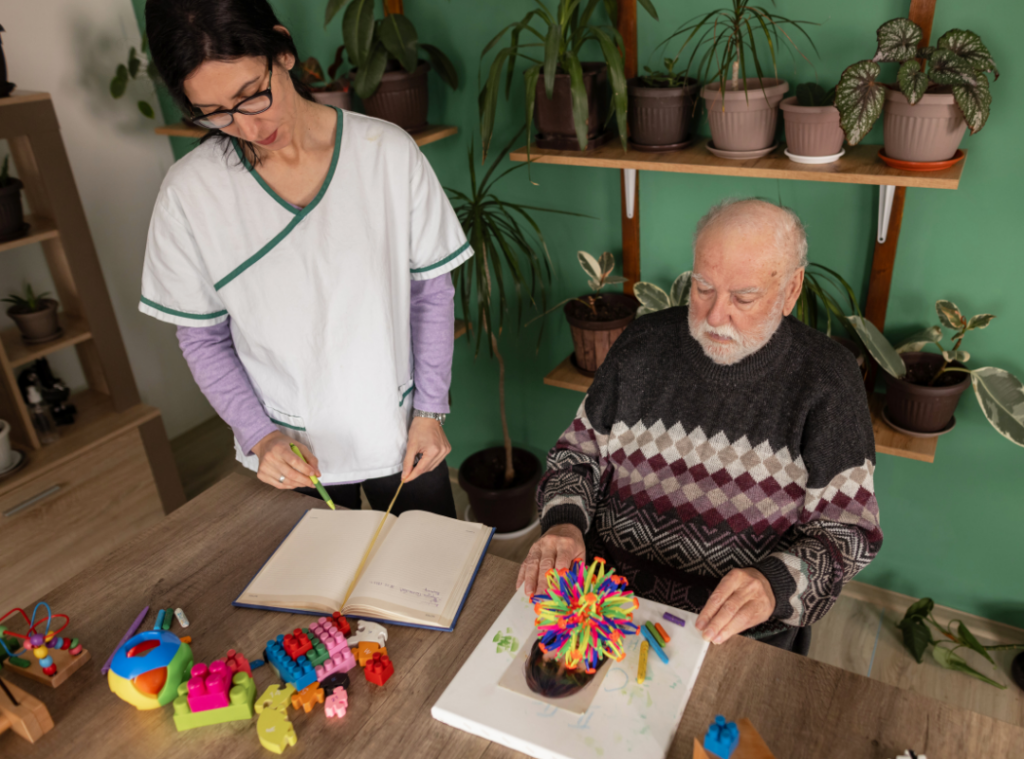
Caring for a loved one with dementia is a journey filled with both challenges and meaningful moments. One of the most effective ways to improve the quality of life for these individuals is through well-planned, compassionate activities for dementia patients in care homes. These activities are more than just pastimes—they are powerful tools to stimulate memory, encourage social connection, and promote emotional well-being.
At Valley Spring Memory Care, we understand the unique needs of our residents and offer enriching solutions. From daily activities that provide structure for dementia patients to calming activities that ease anxiety, our approach centers on dignity, joy, and purposeful living. Below, we explore various ways care homes can enhance the daily lives of residents facing memory challenges.
Memory-Evoking Activities That Spark Connection
One of the best ways to connect with those experiencing dementia is through meaningful activities for dementia patients that tap into their memories. Cognitive-stimulating games such as bingo with familiar images, reminiscence card prompts, or life-story scrapbooking help patients feel seen and heard.
At Valley Spring Memory Care, we integrate these activities into our daily programming. For example, during personal storytelling sessions, residents are encouraged to share moments from their past, often leading to smiles, laughter, and new bonds between peers. Using gentle, structured routines helps residents anticipate and enjoy these sessions, building trust and emotional stability.
Calming Daily Practices That Promote Peace
The emotional state of dementia patients can be unpredictable. That’s why calming activities for dementia patients are essential in establishing comfort and routine. Simple practices, such as guided breathing, soothing aromatherapy, and gentle hand massages, work wonders in reducing agitation and creating a peaceful space.
We also recommend starting mornings with soft music and ending evenings with gentle stretches or nature sounds. These predictable moments form part of our core daily activities for dementia patients, reinforcing safety and relaxation. Introducing calming rituals—like a cup of herbal tea paired with scent therapy—can be transformative.
To learn more about how activities like this can improve emotional balance, the Alzheimer’s Association offers helpful insights into establishing daily care plans.
Encouraging Social Engagement Through Group Activities
Social connection is a cornerstone of wellness, especially in memory care settings. Organized activities for dementia patients in nursing homes, like group games or themed music hours, can uplift spirits and reduce isolation. At Valley Spring Memory Care, we provide numerous opportunities for residents to interact, share laughs, and form new friendships.
Game Nights and Group Competitions
Games like trivia, ring toss, or familiar card games bring fun while supporting mental agility. Hosting regular game nights fosters community and helps patients stay mentally active. Our trained staff guide each session with patience and encouragement, ensuring everyone feels included.
Music and Movement
Music often unlocks long-lost memories, especially when residents hear songs from their youth. Group sing-alongs, chair dancing, and gentle movement sessions combine physical activity with emotional enrichment. These meaningful activities for individuals with dementia enable expression, connection, and moments of joy. Discover the impact of music therapy through Music & Memory.
| Activity Type | Benefits | Suggested Tunes |
| Singing | Boosts mood, triggers recall | Golden oldies, hymns |
| Chair Dance | Supports mobility | 50s–60s rhythm tracks |
| Music Trivia | Stimulates cognition | Decade-themed playlists |
Personalized Daily Engagements Matter
Every resident has a unique history and personality. That’s why personalized daily activities for dementia patients are at the heart of our care model. Whether it’s sorting buttons by color, folding towels, or creating a memory box with cherished photos, customized routines help preserve dignity and identity.
Residents thrive when they participate in tasks that once brought them pride, such as gardening, painting, or baking. Even simple routines like watering plants or reading poetry aloud can be grounding. At Valley Spring, we encourage family members to share their loved one’s hobbies to help shape personalized schedules.
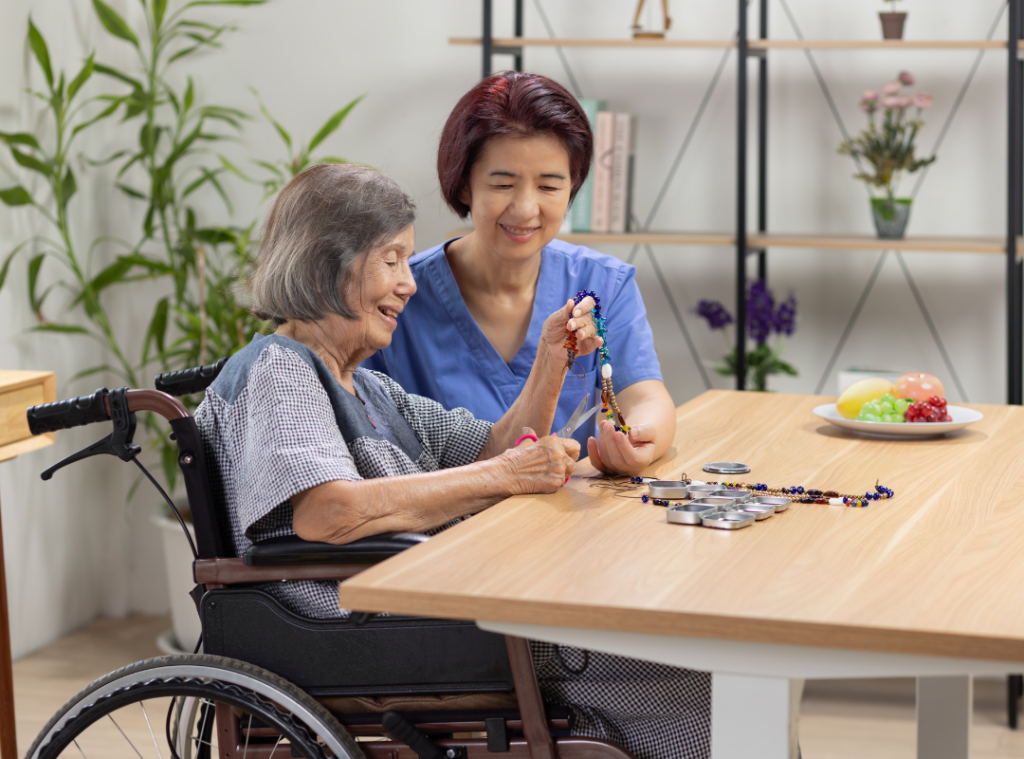
Sensory Stimulation for Cognitive and Emotional Support
Sensory stimulation is especially important for dementia patients as it triggers neural pathways that may remain intact even in advanced stages. Using texture, scent, and visuals to awaken the senses forms the basis of many calming activities for dementia patients.
Touch-Based Activities
Hands-on interaction builds comfort. We use sensory boards, playdough, and soft materials like fabric swatches for tactile exploration. Our activity calendar includes daily sensory bins, tailored to individual preferences.
Aromatherapy & Familiar Scents
Essential oils, such as lavender and vanilla, have been shown to have calming effects. In our care home, we diffuse these scents during relaxation hours or use them in hand massages to ease anxiety. Incorporating baking or herbal tea into routines also triggers scent-related memory recall.
| Scent | Effect | Ideal Use |
| Lavender | Calms and soothes | Diffuse during bedtime prep |
| Citrus | Boosts energy | Morning wake-up routine |
| Vanilla | Comforts and grounds | Baking or aromatherapy sessions |
Visual Therapy
Colors, photos, and artwork can evoke robust emotional responses. We incorporate color therapy into our décor and art projects, while also displaying family photographs and nature scenes to stimulate positive emotions and mental engagement.
Celebrating the Seasons with Joy
Special events and seasonal celebrations are powerful activities for individuals with dementia in nursing homes. Whether it’s a holiday party, spring planting day, or summer ice cream social, these moments foster joy and create opportunities for memory-making.
Decorating cookies in December or painting pumpkins in October helps dementia patients stay connected to traditions. Family members are encouraged to join, deepening relationships and strengthening a shared sense of community.
To support the planning of these joyful experiences, the National Institute on Aging offers helpful tips on creating meaningful moments for individuals with memory loss.
Discover the Joy in Every Day
Creating compassionate activities for dementia patients in care homes isn’t just about filling time—it’s about filling hearts. At Valley Spring Memory Care, every program is designed to nurture, inspire, and connect. Whether it’s a quiet moment listening to music or an energetic group game, each activity is an opportunity to affirm dignity and foster joy.
Are you ready to explore a community that truly understands the needs of your loved one? Call us at 209-710-4783 or visit our contact page to schedule a personal tour today. Let’s build meaningful moments—together.
Frequently Asked Questions
What are the best practices for dementia patients?
The best practices for dementia patients focus on creating a safe, supportive, and structured environment. Consistency in daily routines helps reduce confusion and anxiety. Encouraging engagement through meaningful activities—such as music, art, or reminiscence therapy—can boost mood and cognitive function. It’s also essential to maintain open communication with caregivers and healthcare professionals to monitor changes and provide the best possible care.
What are the four main types of activities in dementia care?
The four main types of activities in dementia care are cognitive, physical, social, and sensory. Mental activities, like puzzles and memory games, help stimulate the brain. Physical activities, such as gentle exercises or walking, improve mobility and health. Social interactions through group activities and sensory experiences, such as aromatherapy or touch-based crafts, can enhance emotional well-being and foster connection.
What activities can help dementia patients at home?
Simple, familiar activities often work best for individuals with dementia at home. Tasks such as folding laundry, gardening, listening to music, or looking through photo albums can provide comfort and a sense of purpose. Gentle exercises and art projects can help maintain coordination and creativity. Always tailor activities to the person’s interests and energy level to keep them engaged and reduce frustration.
What can be done to help dementia patients?
To support individuals with dementia, focus on providing compassionate care and a calm, structured environment. Encourage daily routines that promote independence, such as self-care or light household tasks. Use clear communication, maintain eye contact, and show patience to build trust. Additionally, incorporating regular physical and mental stimulation—alongside professional care when needed—can improve quality of life and slow cognitive decline.