


Innovations in Assisted Living and Memory Care help older adults receive safer, more personal, and more engaging support through technology, trained care teams, daily routines, and wellness-focused programs. For families, these improvements can make it easier to understand how a community supports comfort, connection, and changing care needs.
At Valley Spring Memory Care in Los Banos, CA, innovation is not just about new tools. It is about creating a setting where residents can feel known, supported, and involved in daily life. The Alzheimer’s Association reports that more than 7 million Americans are living with Alzheimer’s, which shows why thoughtful memory care support matters for families making this decision.
What Innovations in Assisted Living and Memory Care Mean
Innovations in assisted living and memory care enhance how communities support older adults through safer environments, personalized routines, trained staff, wellness support, and meaningful engagement. These innovations help families see how care can be both practical and personal.
The CDC explains dementia as a decline in memory, thinking, or decision-making that affects everyday activities, and Alzheimer’s disease is the most common type of dementia. In a memory care setting, innovation connects technology, staff training, activities, nutrition, wellness support, and personal assistance. You can learn more about available memory care services as you explore what level of support may fit your loved one.
Modern Technology That Supports Safety and Independence
Technology can help make daily care more responsive and supportive. Smart home systems, wearable health trackers, health monitoring devices, voice-activated assistants, and reminder devices can support safety, comfort, and independence when used with thoughtful caregiver oversight.
These tools are most helpful when they work quietly in the background. For example, a reminder device may help a resident stay connected to a routine, while monitoring tools can help caregivers notice potential concerns sooner. For a closer look at practical tools, explore these smart gadgets for older adults.
Examples of Technology in Elder Care
Common examples of technology used in elder care include:
- Wearable health trackers
- Smart home features
- Health monitoring tools
- Voice-activated assistants
- Reminder devices
These tools work best alongside steady, human care. They add awareness, structure, and reassurance without taking away the personal connection residents need.
Personalized Memory Care Programs for Individual Needs
Personalized care helps residents receive support that reflects their needs, preferences, and daily rhythms. In memory care, this can make a meaningful difference because familiar routines may help residents feel more settled and understood.
As you compare care options, ask how the community learns about your loved one’s habits, interests, and support needs. A thoughtful care plan should feel personal, not one-size-fits-all. If you are unsure what level of care is needed, a care assessment can help guide the next step.

Staff Training and Care Standards Families Should Look For
Staff training supports consistent, thoughtful care. A trained team is better prepared to understand resident needs, respond with patience, and support daily routines in a way that feels calm and respectful.
Families often search for Assisted living facility requirements to understand what quality care should include. For memory care, the most helpful questions are practical: How does the team support daily needs? How are routines created? How does staff training help residents feel safe, seen, and cared for?
Engagement, Activities, and Community Connection
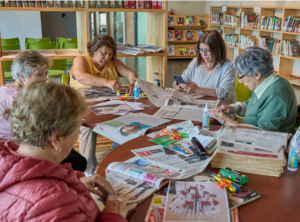
Daily engagement supports emotional well-being and social connection. Activities such as games, creative projects, music, exercise, and trivia can help residents participate in ways that feel familiar, enjoyable, and meaningful.
For example, if your loved one responds warmly to music or simple creative projects, those moments can become part of a steady rhythm. At Valley Spring Memory Care, activities and engagement are designed to support social connection and cognitive engagement in a natural, approachable way.
Nutrition, Wellness, and Daily Support in Memory Care
Wellness support in memory care includes more than one type of care. It may involve meals, personal support, routine-based assistance, wellness oversight, and services that help residents feel comfortable in daily life.
The table below shows how different supports can work together in a memory care setting.
| Support Area | How It Helps Residents |
| Three Chef-Prepared Meals Daily | Supports steady daily dining routines |
| On-Staff RN and Contracted Physician | Adds wellness oversight within the community |
| Podiatry Services | Supports foot care needs |
| Personal Support for Daily Needs | Helps residents with everyday routines |
| Activities and Engagement | Encourages social connection and cognitive engagement |
| Salon Services | Supports dignity, confidence, and routine |
If your family is exploring living options, reviewing floor plans and pricing details can help you understand the setting before scheduling a visit.
Innovative Therapies and Cognitive Engagement
Innovative therapies can support emotional expression, connection, and cognitive engagement. Music, art, creative projects, exercise, and trivia may help residents participate in familiar and enjoyable ways.
These activities matter because they meet residents where they are. A song, a simple creative task, or a group activity can create moments of connection between residents, caregivers, and families. Research on music technologies in dementia care also notes how music can support mood, joy, social connection, reminiscence, and continuity.
Examples of Innovation in Daily Memory Care
Innovation in daily memory care may include:
- Music-based engagement
- Creative projects
- Exercise and trivia
- Reminder devices
- Personal support for daily routines
These examples show how care can be both structured and personal.
What Families Should Consider Before Choosing Memory Care
The right memory care setting should match your loved one’s current needs while offering support as those needs change. Innovation is valuable, but it should be paired with compassionate staff, clear routines, and meaningful daily engagement.
One concern families may have with assisted living is whether the level of support will continue to fit as memory needs increase. This is why it helps to ask direct questions, visit the community, and understand how memory care-focused wellness support is provided.
Explore Memory Care Support at Valley Spring Memory Care
Innovations in Assisted Living and Memory Care are most meaningful when they help residents feel supported in everyday life. Technology, staff training, personal care, wellness support, activities, and familiar routines all work together to create a more thoughtful care experience.
Located at 555 Miller Lane in Los Banos, CA, Valley Spring Memory Care welcomes families who want to better understand memory care support in person. You can schedule a tour to see the community, contact us with questions, or call us at 209-710-4783 to speak with the team.
Frequently Asked Questions
What are the technological innovations in elderly care?
Technological innovations in elderly care include tools that support safety, routines, and caregiver awareness. Examples include smart home systems, wearable health trackers, health monitoring devices, voice-activated assistants, and reminder devices. These tools can help residents stay connected to their daily routines while providing caregivers with helpful information. They work best when paired with personal care and trained support.
What are the innovations in nursing care?
Innovations in nursing care often include better training, more personalized care planning, and closer wellness support. In memory care, these improvements help teams respond to each resident’s needs with more consistency and understanding. Support may include daily wellness awareness, personal assistance, and routines that reflect individual preferences. The goal is to make care feel both attentive and personal.
What is an example of innovation in health and social care?
An example of innovation in health and social care is combining personal support, engaging activities, and practical technology into a single care plan. A resident may benefit from music, creative projects, reminder devices, and staff support throughout the day. This approach supports both daily structure and emotional connection. It also helps families see how care can support the whole person.
What is one of the biggest drawbacks of assisted living?
One possible drawback of assisted living is that the level of support may not always match a person’s changing needs. This can be especially important when memory loss progresses, and a more structured setting becomes necessary. Families should ask how care needs are assessed, how routines are created, and what support is available each day. A visit or care assessment can help you make a more confident decision.