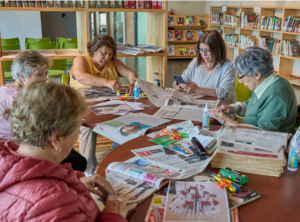



A memory care calendar is a structured daily or weekly schedule that combines social, creative, physical, cognitive, and familiar everyday activities. The most helpful calendars provide a steady rhythm while allowing each person to participate according to their interests, abilities, energy, and support needs.
For families, the challenge is rarely finding enough activities. It is choosing experiences that feel comfortable, purposeful, and enjoyable without making the day overwhelming. At Valley Spring Memory Care in Los Banos, meaningful engagement is part of a broader daily routine that includes personal support, meals, and memory care-focused wellness support.
What Makes a Memory Care Calendar Meaningful?
A strong memory care activities calendar is varied but not overwhelming, structured but not rigid, and shaped around the person instead of expecting the person to fit the schedule. It gives the day a recognizable flow and creates opportunities for connection, movement, creativity, and purpose. Familiar routines can make it easier for a person living with dementia to understand what is happening next, while flexible activity choices allow the schedule to respond to changing needs.
The number of activities listed matters less than the quality of each experience. A crowded memory care activities calendar may look impressive, but it can become tiring or confusing when every event expects full participation. A stronger calendar balances active and quiet periods, group and individual choices, familiar routines, meals, personal support, and rest.
The Alzheimer’s Association estimates that 7.4 million older adults in the United States were living with clinical Alzheimer’s dementia in 2026. This figure reflects how many individuals and families may be navigating questions about supportive routines, meaningful engagement, and changing daily needs.
Five Types of Engagement to Include Throughout the Week
A balanced activity calendar for memory care should include several forms of engagement. The same activity may support more than one area, such as music, encouraging social connection, movement, and self-expression at the same time.
Social Connection
Social activities may include small-group conversations, shared meals, celebrations, simple games, or familiar trivia. The goal is to make connections available without expecting everyone to communicate in the same way or stay for the entire activity.
Creative Expression
Art, crafts, music, singing, and simple creative projects give residents ways to express themselves without depending on memory recall. The value comes from the experience, not from producing a perfect finished project, so materials and directions should remain easy to manage.
Comfortable Movement
Seated movement, gentle stretching, music and motion, and simple guided games can bring physical activity into the day. Movement should match the person’s comfort, ability, and support needs.
The National Institute on Aging recommends adapting activities as abilities change and allowing people with Alzheimer’s disease to remain involved in ways they can manage.
Cognitive Engagement
Familiar trivia, word games, sorting, matching, reminiscence prompts, and simple puzzles can encourage attention and participation. These experiences should feel inviting, not like a test of what someone can remember, and success should be measured by comfort and interest rather than correct answers.
Purposeful Everyday Activities
Folding towels, arranging flowers, setting a table, sorting familiar objects, or helping with simple seasonal preparations can add purpose to the day. These activities may feel more natural than a formal game because they connect with routines the person has known for years and can be adjusted to match the level of support needed.
For more ideas about movement, social connection, and brain-stimulating routines, explore ways to support memory for seniors.
Memory Care Calendar Ideas by Time of Day
An effective memory care activity calendar follows the person’s natural energy and attention throughout the day. The exact timing will vary, but organizing activities by morning, midday, afternoon, and evening can help you create a calmer flow.
Morning Ideas
Morning activities can help someone ease into the day with familiar cues and gentle engagement. You might review the date and planned activities, listen to familiar music, try light stretching, or begin with a simple conversation prompt.
Meals and personal routines can serve as helpful anchors. The calendar then becomes easier to follow because activities fit around events that already happen each day.
Midday Ideas
Midday may be a comfortable time for group games, trivia, music, creative projects, or guided movement. A shared meal can also create a natural opportunity for conversation and social connection.
Watch how the person responds. A lively group activity may be enjoyable one day, while a smaller or quieter setting may work better another day.
Afternoon Ideas
Afternoon engagement may need to be shorter or less demanding, depending on energy. Sorting familiar items, looking through photos, arranging flowers, listening to music, or completing a simple creative project may provide a manageable focus.
Scheduled personal routines, including salon services when available, may also become part of the day’s structure. These experiences can offer familiar conversation and individual attention.
Evening Ideas
Evening activities should support a calm transition. Familiar music, quiet conversation, photo viewing, a simple hand activity, or brief reading may be more suitable than a complex group event.
A quiet evening rhythm can help close the day without placing extra demands on attention or memory.
Sample Activity Calendar for Dementia Residents
A sample activity calendar for dementia residents can help you see how familiar routines and varied activities may fit together. It should be treated as a flexible planning guide, not a schedule that every person must complete.
| Time of Day | Monday | Tuesday | Wednesday | Thursday | Friday |
| Morning | Gentle movement | Music and conversation | Date and weather review | Seated exercise | Familiar songs |
| Late morning | Creative project | Sorting activity | Familiar trivia | Art activity | Simple group game |
| Midday | Shared meal and conversation | Shared meal | Shared meal | Shared meal | Shared meal and celebration |
| Afternoon | Reminiscence prompts | Music and movement | Familiar household task | Guided game | Creative expression |
| Evening | Quiet music | Photo conversation | Calm hand activity | Familiar reading | Weekly reflection |
This sample activities calendar for seniors with dementia repeats useful daily anchors while changing the type of engagement. It also leaves room for rest, personal support, and unplanned changes.
A shorter, positive experience may be more helpful than completing a full session after interest or energy has faded.
How to Make a Memory Calendar Step by Step
A useful memory calendar begins with the person, not with a long activity list. Learn what has mattered to them throughout life, when they tend to feel most alert, and which experiences bring enjoyment or frustration.
Start With Personal Interests and Familiar Routines
Think about past hobbies, preferred music, household roles, social preferences, and daily habits. A former gardener may respond to flowers or seed sorting, while someone who enjoys music may prefer songs and rhythm-based activities.
You can also note activities that tend to feel tiring, confusing, or uninteresting. Knowing what to leave out can be just as helpful as knowing what to include.
Build Around Daily Anchors
Meals, personal routines, rest periods, and the evening wind-down can form the base of the calendar. Place activities between these anchors so that the day has a steady, understandable rhythm.
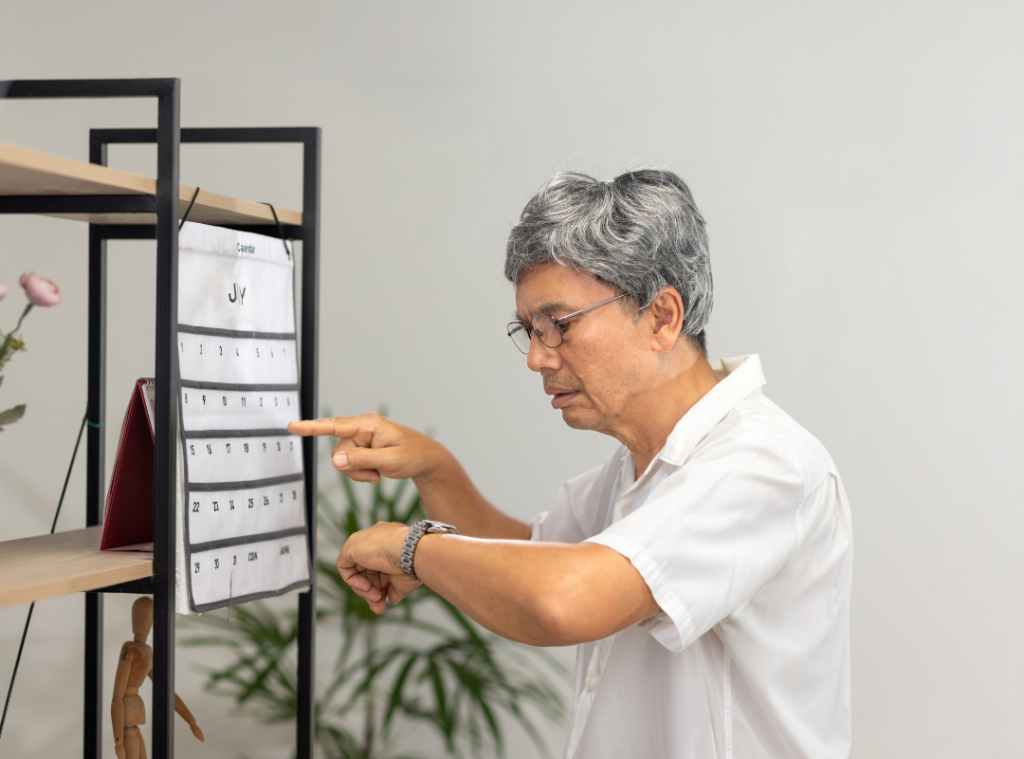
The National Institute on Aging suggests using calendars, written lists, and clocks that display the day and date to help organize daily events during the earlier stages of dementia.
Balance Familiarity With Variety
Helpful routines can repeat without making every day identical. For example, creative time might include painting one day, music another day, and arranging flowers later in the week.
Keeping the category familiar while changing the activity provides both structure and interest.
Offer More Than One Way to Join
Participation does not always mean completing an entire activity. A person may join the group, observe quietly, participate for a few minutes, work one-on-one, or choose another option.
This flexibility helps protect dignity. It also reduces the pressure that can make an otherwise enjoyable activity feel uncomfortable.
Observe, Learn, and Adjust
Notice when the person seems most interested, what group size feels comfortable, and which activities create frustration. Pay attention to noise, instructions, materials, timing, and the amount of help needed.
Use those observations to shape the next version of the calendar. A memory calendar becomes more useful when it changes with the person.
How to Choose Activities Without Causing Frustration
The best activities are familiar enough to understand, flexible enough to simplify, and meaningful to the individual. A popular memory care idea may still be a poor fit when it requires too many steps, depends on correct answers, or takes place in a distracting setting.
Before adding an activity, ask:
- Is it familiar or easy to introduce?
- Can it be simplified without losing its purpose?
- Can the person join without being corrected or tested?
- Does it offer connection, enjoyment, movement, expression, or purpose?
A “no” to several of these questions does not always mean abandoning the idea. The activity may only need a shorter duration, fewer choices, simpler materials, or more individual guidance.
Reluctance also does not automatically mean someone dislikes activities. Noise, group size, unclear directions, fatigue, or the time of day may be the real barrier. Changing the setting can sometimes make the same activity feel much more comfortable.
What a Typical Day in Memory Care May Include
A typical day in memory care may include personal support, regular meals, wellness-focused routines, social interaction, creative or cognitive activities, gentle movement, and quiet periods. The schedule provides structure, but it should still allow changes based on each resident’s energy, preferences, and support needs.
These parts of the day are connected. Personal support may help a resident prepare for an activity. Meals create familiar time markers and opportunities for conversation. Wellness-focused support can help the team respond as needs change, while activities provide ways to connect, move, create, and contribute.
No single timetable applies to every resident. The more useful question is whether the daily routine balances consistency with choice and gives residents appropriate ways to take part.
Families who want to understand the wider setting behind a daily schedule can review Valley Spring’s memory care services.
How Families Can Evaluate a Memory Care Activities Calendar
A calendar may look appealing on paper, but families also need to understand how it works in daily life. During a visit or conversation with a community, look beyond the activity names and ask how the schedule responds to residents’ different interests, abilities, and energy levels.
- How are activities adapted for different abilities?
- Are small-group, individual, and observation options available?
- What happens when a resident declines an activity?
- How are personal interests and familiar routines included?
- Does the calendar balance engagement with meals, care, and rest?
You may also want to ask how families can share information about past hobbies, favorite music, meaningful routines, or activities that tend to cause frustration. These details can help a team understand what participation may look like for one individual.
If you are also trying to decide whether changing needs may call for more support, the Care Assessment can help you organize your questions before taking the next step.
Meaningful Daily Engagement at Valley Spring Memory Care
At Valley Spring Memory Care in Los Banos, activities and engagement include games, creative projects, music, exercise, and trivia designed to foster social connection and cognitive engagement. Three chef-prepared meals daily add dependable anchors to the routine, while personal support for daily needs and memory care-focused wellness support help residents move through the day with assistance suited to their needs.
Families can explore more about the community’s activities, amenities, and daily support. To learn how activities, meals, personal support, and wellness-focused support fit into daily routines, schedule a visit, contact the Valley Spring team, or call 209-710-4783. A conversation can help you compare what appears on a calendar with the broader support available throughout the day.
Frequently Asked Questions
What is the best calendar for dementia patients?
The best calendar for a person living with dementia is simple, clear, and connected to a familiar daily routine. It should show the day, date, meals, appointments, and a manageable number of activities without visual clutter. Large, easy-to-read text and consistent placement can make the calendar easier to use. The calendar should be adjusted as the person’s abilities, routines, and support needs change.
What is a typical day in memory care?
A typical day in memory care may include personal support, meals, wellness-focused routines, social interaction, meaningful activities, gentle movement, and rest. Regular daily anchors can provide consistency, while activity choices allow flexibility. Residents may participate in groups, one-on-one experiences, or quieter alternatives. The exact routine depends on individual preferences, energy, abilities, and support needs.
How do you make a memory calendar?
Start with the person’s familiar routines, interests, preferred activities, and most comfortable times of day. Build the schedule around regular anchors such as meals, personal routines, and rest. Include a balanced mix of social, creative, physical, cognitive, and purposeful activities. Observe how the person responds, then adjust the timing, length, setting, or activity as needed.
What are the best activities for memory care patients?
The best memory care activities are familiar, adaptable, enjoyable, and suited to the individual’s current abilities. Music, simple games, creative projects, gentle movement, reminiscence prompts, everyday tasks, and small-group conversations can all provide meaningful engagement. Activities should be introduced without pressure or an expectation of correct answers. The person’s comfort, interest, and response should guide the choice.