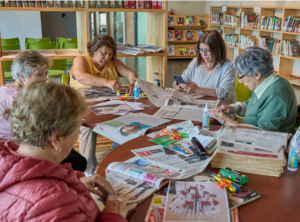



Engaging in memory exercises for elderly individuals is one of the most effective ways to support cognitive health and mental agility. Whether you’re caring for a loved one or maintaining your own mental sharpness, these exercises are practical, beneficial, and adaptable.
At Valley Spring Memory Care, we understand how cognitive engagement can lead to a better quality of life. From puzzles to physical activity and social games, memory exercises offer a wide range of options for improving mental function and emotional well-being.
Why Memory Exercises for the Elderly Really Work
Memory exercises for the elderly at Valley Spring Memory Care really work because they stimulate brain activity, enhancing memory skills and concentration.
These activities can be tailored to individual abilities, making them accessible for everyone. Additionally, they promote social engagement, reducing feelings of isolation while fostering emotional support.
Learning new skills and participating in physical exercise also boost cognitive function, creating stronger neural connections. Engaging regularly leads to noticeable improvements, and more insights on maximizing these benefits can be found at valleyspringmemorycare.com.
Benefits of Engaging in Memory Exercises
Engaging in memory exercises for elderly individuals offers numerous benefits that profoundly enhance mental well-being. By participating in free brain exercises for memory, such as brain games and cognitive challenges, you stimulate your mind and improve concentration.
These activities sharpen cognitive abilities while also fostering independence, an essential part of senior living. Plus, memory exercises can be tailored to suit different ability levels, ensuring accessibility for everyone. They help with coordination and motor skills, contributing to overall physical and mental health.
Group participation reduces feelings of loneliness, encourages friendship, and improves emotional well-being. Engaging in these exercises regularly can engage underutilized parts of the brain, improving long-term outcomes for seniors.
Ultimately, incorporating these routines enriches daily life and empowers individuals with a sharper mind and a renewed sense of purpose.
Types of Effective Memory Exercises
A variety of engaging and effective memory exercises for the elderly at home can make cognitive workouts fun and accessible. Whether done solo or with others, these activities cater to various cognitive levels and interests.
Here’s a quick overview:
| Exercise Type | Benefits |
| Word Puzzles | Enhance vocabulary and problem-solving skills |
| Trivia Quizzes | Stimulate mental agility and encourage social fun |
| Sudoku | Improve logic and concentration |
| Jigsaw Puzzles | Boost visual-spatial awareness and patience |
These exercises provide mental stimulation while supporting socialization and independence. And best of all, many brain exercises for seniors are free, making them easy to adopt at home without financial strain.
Explore a list of free brain exercises for memory on trusted sites like AARP’s Brain Health section or the National Institute on Aging’s cognitive health guide.

The Role of Social Interaction in Memory Retention
Social interaction significantly contributes to memory retention, especially for older adults. Being part of a community that engages in mental and physical activity strengthens both cognitive function and emotional well-being.
Here are four impactful ways that socializing helps:
- Participating in Memory Games: Playing games in a group sharpens focus and recall.
- Building Relationships: Emotional support from friendships lowers stress and improves mental clarity.
- Sharing Experiences: Talking about past events reinforces those memories.
- Collaborative Learning: Learning something new together increases understanding and memory.
Additionally, participating in structured routines creates predictability, which can help people—especially those with dementia—feel secure, which in turn supports memory function.
How Learning New Skills Enhances Memory
Challenging your brain through new learning is a powerful form of memory exercise for elderly individuals. Whether it’s learning a new language or taking up a musical instrument, new experiences activate neural pathways and strengthen memory.
For example, engaging in painting, drawing, or even learning a new dance stimulates areas of the brain responsible for memory, emotion, and coordination. These creative tasks are especially effective memory exercises for the elderly with dementia, helping reduce anxiety while enhancing memory recall.
Mindfulness activities such as yoga or meditation also offer powerful brain benefits. Discover more about how to incorporate mindfulness in your routine by visiting this helpful guide on memory exercises.
The Impact of Physical Exercise on Cognitive Function
Physical exercise may not seem directly related to brain function, but it’s actually essential. For seniors, moving the body leads to healthier brains. Here’s how:
- Increased Blood Flow: Regular activity improves circulation, delivering oxygen-rich blood to the brain.
- Enhanced Neurogenesis: Movement boosts the growth of new neurons, which are essential for learning and memory.
- Improved Mood: Physical activity reduces stress, elevates mood, and supports clearer thinking.
- Better Sleep: A regular fitness routine improves sleep, which is vital for memory consolidation.
Group classes or walks in nature double as social opportunities and fitness, which is ideal for seniors. Maintaining a moderate weight and staying active supports both brain and body health.
Incorporating Memory Exercises for the Elderly at Home
The beauty of memory exercises for the elderly at home is the flexibility and ease of implementation. You don’t need fancy equipment—just a little time and creativity.
Try these free and effective ideas:
- Daily journaling: Reflecting on the day improves memory and writing skills.
- Flashcards: Create cards with words, images, or questions to stimulate recall.
- Storytelling sessions: Share stories with family, which encourages memory recollection and emotional bonding.
- Music therapy: Listening to familiar music can trigger memories and reduce anxiety, especially for those with dementia.
These are excellent brain exercises for seniors that are free to implement and can be enjoyed with others for even more benefit.
Why These Activities Matter for Dementia Care
Many of these exercises are ideal memory exercises for the elderly with dementia. Activities such as naming animals, sorting objects by color, or singing old songs may appear simple, but they help stimulate critical parts of the brain.
At Valley Spring Memory Care, these exercises are a core part of our dementia care programming. Structured and gentle, they cater to cognitive levels while fostering dignity and joy.
Find out how we approach personalized memory care by visiting our memory care page.
Unlock Your Brain’s Potential with Memory Exercises
Rather than accepting cognitive decline as inevitable, consider this: consistent practice of memory exercises for elderly individuals can reverse the tide. Whether you’re solving puzzles, taking group walks, or learning a new hobby, each activity strengthens the mind.
At Valley Spring Memory Care, we provide expert care and engaging programs that promote cognitive well-being through research-based strategies. Want to learn more about how we can help you or your loved one thrive?
📞 Call us at 209-710-4783 or schedule a tour here: Contact Valley Spring Memory Care
Let’s embrace a lifestyle of wellness, growth, and memory improvement—one exercise at a time.
Frequently Asked Questions
What can seniors do to improve their memory?
Seniors can improve memory through a combination of mental, physical, and social activities. Engaging in puzzles, reading, learning new skills, and staying socially connected helps stimulate the brain. Maintaining a healthy diet rich in omega-3 fatty acids, antioxidants, and vitamins also supports brain function. Additionally, good sleep hygiene and stress management techniques like mindfulness or meditation can greatly enhance memory.
What is the best exercise to improve memory?
Aerobic exercises, such as brisk walking, swimming, or cycling, are considered the best for improving memory. These activities increase blood flow to the brain, helping with cognitive clarity and memory retention. Regular aerobic workouts also reduce inflammation and insulin resistance, both linked to brain aging. Experts recommend at least 150 minutes of moderate aerobic activity per week for optimal brain health.
What is the best memory enhancer for seniors?
The best memory enhancer for seniors is a combination of lifestyle choices rather than a single product. Regular physical activity, mental stimulation, balanced nutrition, and social engagement all contribute to cognitive health. Some seniors may benefit from memory supplements like omega-3s or ginkgo biloba, but these should be discussed with a healthcare provider. Consistency in these habits often proves more effective than any standalone solution.
What is the best exercise to reduce memory loss in older adults?
A combination of aerobic and strength-training exercises is most effective in reducing memory loss. Activities like walking, dancing, and resistance training enhance both brain and body function. These exercises support neuroplasticity—the brain’s ability to form new connections—even in older age. Doing these routines at least three times a week can significantly slow down cognitive decline.