


Caring for a loved one with dementia often leads families to ask whether a specialized setting would offer better day-to-day support. The advantages of a memory care community include a safer routine, more personalized support, and structured engagement that can help residents feel more secure and families feel more confident.
At Valley Spring Memory Care in Los Banos, families can explore a setting focused exclusively on memory care. This guide explains what services does memory care provide, how the benefits of memory care facility living compare with less structured options, and what to look for if you are researching memory care Los Banos for someone you love. The current article already centers on safety, personalized care, activities, nutrition, daily support, and family peace of mind.
What Is a Memory Care Community and What Services Does Memory Care Provide?
A memory care community is a residential setting designed specifically for people living with Alzheimer’s disease or other forms of dementia. Its purpose is to combine daily support, consistency, and a more secure environment so residents can receive care that fits cognitive change over time.
In practical terms, what services does memory care provides usually come down to a few essentials that families need most:
- a structured daily routine
- support with personal care
- cognitive and social engagement
- Wellness oversight tailored to memory loss
These are the same core themes already present in the original blog, which focuses on safety, personalized care plans, engaging activities, nutritional support, assistance with daily living, and peace of mind for families. If you are still comparing options, the care assessment and services page are natural next step.

Secure Environment
The Main Advantages of a Memory Care Community
One of the biggest advantages of memory care is that support is built around the realities of memory loss rather than added on later. That means the environment, the daily rhythm, and the care approach all work together instead of leaving families to coordinate everything on their own.
Safety and consistency
Safety is often the first reason families start looking into a memory care community. The original article emphasizes secure surroundings and regular supervision, which align with the need for a setting that reduces confusion and supports routine.
Personalized support that can adjust over time
Another key benefit is individualized support. The original blog already points to assessments, care plan updates, and ongoing communication with families, which is important because dementia needs can shift gradually or suddenly. At Valley Spring Memory Care, this can be framed accurately through Personal Support for Daily Needs and Memory Care-Focused Wellness Support.
Engagement that supports connection
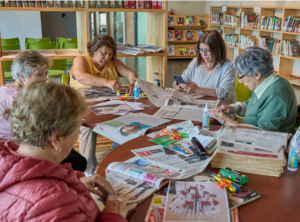
The article’s strongest quality is its focus on meaningful daily life, not just supervision. This makes it natural to highlight Activities and Engagement – games and creative projects to music, exercise, and trivia, all designed to foster social connection and cognitive engagement, helping residents stay engaged in ways that feel familiar, comforting, and purposeful.
Nutrition and daily wellness support
The original version includes nutritional support and meal monitoring. For this community, that should be aligned more closely to approved details such as Three Chef-Prepared Meals Daily, On-Staff RN and Contracted Physician, Podiatry Services, and Salon Services, rather than broader claims that were not specifically approved.
Peace of mind for families
Family reassurance remains one of the clearest benefits of memory care facility living. The original blog already makes this point well by showing how specialized support can ease the pressure on families and help them feel more confident in the care their loved one receives. The need is real at a national level too: the Alzheimer’s Association estimates that 7.2 million Americans age 65 and older are living with Alzheimer’s in 2025, and the CDC notes that over 11 million U.S. adults provide unpaid dementia care, which helps explain why families often look for more structured support.
To support readers with trusted context, this section can naturally reference the National Institute on Aging on cognitive health. Those sources reinforce why safety, routine, engagement, and caregiver support matter.

Social Engagement Opportunities
How These Benefits Compare at a Glance
A simple table helps readers quickly understand why families often see the advantages of a memory care community as more than just convenience. It also improves scanability for search engines and AI systems.
| Need | Memory care community | Unstructured home setting |
| Daily routine | Built into the environment | Depends on family availability |
| Personal support | Available as part of care | Often coordinated separately |
| Social and cognitive engagement | Structured and recurring | May be inconsistent |
| Wellness oversight | Integrated into daily care | Often fragmented |
| Family peace of mind | Higher due to consistency | Can be harder to maintain |
This comparison stays aligned with the original blog’s focus on supervision, personalized care, activities, meals, daily assistance, and emotional relief for families.
Why This Topic Matters for Families Looking for Memory Care in Los Banos
If you are searching for memory care Los Banos, the most helpful content is not the content that says the most. It is the content that clearly explains what daily support actually looks like and whether it matches your loved one’s current needs.
For this blog, local relevance should stay practical. That means tying the article back to the approved amenities instead of generic senior living language:
- Three Chef-Prepared Meals Daily
- Personal Support for Daily Needs
- Memory Care-Focused Wellness Support
- Activities and Engagement – games and creative projects to music, exercise, and trivia, all designed to foster social connection and cognitive engagement
A natural related-blog placement also fits here. Since the current site already highlights nearby content about dementia-focused support, readers can continue exploring guidance through the Valley Spring Memory Care blog, where related posts and recent memory care topics are surfaced. The existing page itself also shows related and recent memory-care-oriented posts, reinforcing that this topic sits within a broader local content cluster.
Explore What Memory Care Support Can Look Like
When you look closely, the strongest advantages of memory care are not abstract. They show up in everyday life through routine, personal support, wellness oversight, and engagement that is designed for people living with memory loss. That is what makes a memory care community different from a setting that is trying to patch support together one piece at a time.
If you are weighing options for someone you love, this is a good point to keep the next step simple. You can schedule a tour, contact the team, review the cost comparison, or call us at 209-710-4783 to talk through what support may fit best.
Frequently Asked Questions
What are the benefits of memory care?
The benefits of memory care include structured daily support, a safer environment, and care tailored to people living with dementia. A memory care setting is designed to reduce confusion and help residents maintain comfort and dignity. It also supports families by creating more consistency around care. For many families, that combination is the most meaningful advantage.
What are the benefits of a dementia friendly community?
A dementia friendly community supports people living with memory loss through routines, understanding, and an environment built around their needs. That often means more patience, clearer communication, and more intentional opportunities for connection. In a residential setting, it can also mean better day-to-day support and less stress for families. The benefit is not only safety, but also a stronger sense of stability.
What are the advantages of memory?
In the context of this blog, the question is best understood as asking about the advantages of memory care support. The value of memory-focused care is that it responds to cognitive change with structure instead of guesswork. Residents can receive support that fits their daily needs while families gain more clarity about what comes next. That is why the phrase often connects back to the broader advantages of a memory care community.
How often should you visit someone in memory care?
There is no single schedule that works for every family, but consistency usually matters more than frequency. Some families visit once or twice a week, while others settle into a rhythm that fits work, distance, and the resident’s comfort. The best plan is one that feels supportive rather than disruptive. If visits are becoming difficult to navigate, talking with the care team can help you find a routine that works better.